
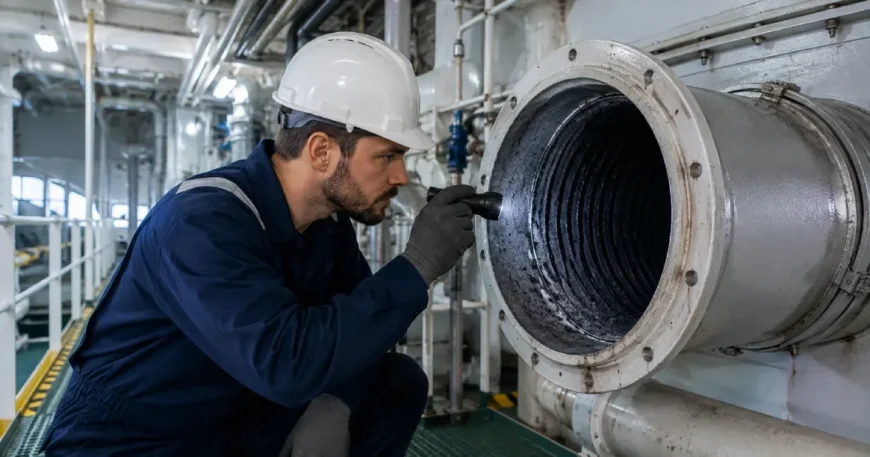
Offshore maintenance has a funny way of making the things you can’t see just as critical as the things you can. Even if a dryer is working properly, lint, dust, moisture, and other residue can eventually accumulate inside the ducting. Because most of the system is out of sight daily, it is not always simple to ascertain the exact condition it is in. A skilled industrial dryer duct cleaning examination allows us to examine below the surface, understand what is occurring inside the system, and identify areas that may need repair. In this manual, we will go through what an offshore inspection often includes, from inspecting the dryer and duct architecture, to inspecting accessible components, interior sections, airflow, buildup, and planning the cleaning operation to follow.
Step 1: Reviewing the Dryer and Duct System
Before we get into the ductwork itself, we first need to understand the system we are dealing with. That means looking at the dryer setup, the route of the duct, available access points, ventilation arrangement, and the conditions surrounding the equipment. Offshore facilities are not all laid out the same way, and access can be quite different from one location to another. Taking a few moments to understand the setup helps us approach the inspection properly instead of treating every system as though it were identical.
Step 2: Checking Accessible Components
We then move through the parts of the system that can be safely reached and inspected. These visible sections often tell us quite a bit. We look for lint, dust, moisture, residue, and signs that airflow may not be moving as freely as it should. It is worth remembering that a clean-looking opening does not necessarily mean the entire duct is clean. Ductwork can run through enclosed or difficult-to-reach areas where buildup remains out of sight, which is one reason a closer inspection is useful.
Step 3: Inspecting the Interior of the Ductwork
Inspection is starting to give us a much better picture of things. We check the inside of the ductwork through access points and proper inspection methods, so we’re looking at the real condition of the ducts instead of just guessing based on what’s visible from outside. What we’re really paying attention to is how much material has built up, where exactly it’s collected, and whether some sections are noticeably dirtier than others. These details matter a lot; they’re what help us figure out exactly what kind of cleaning the system actually needs.
Step 4: Looking at Airflow and System Performance
You may not see debris in the ducts right away. Sometimes the only indicators are subtle: a shift in the airflow, longer drying times than normal, equipment that seems to be working harder than it should. We also take these operating signals, as well as what we actually see inside the ducting during inspection, into consideration. If we see any residue or build-up that can impede airflow, we’ll mark those areas for closer inspection. And in buildings with built-in ventilation or exhaust systems, industrial exhaust duct cleaning is usually a part of a wider maintenance plan.
Step 5: Identifying Areas That Need Cleaning
Once we have a better understanding of the system, we can identify the sections that need professional attention. We do not believe in approaching every duct with the same process simply because it is on a maintenance schedule. The condition of the system should help determine the work. Depending on what we find, the inspection may point to areas involving lint deposits, accumulated dust, moisture-related residue, restricted airflow, or difficult-to-access sections. A good inspection gives maintenance teams a clearer explanation of what needs to be addressed and why.
Step 6: Planning the Cleaning Work
Offshore maintenance also comes down to timing and coordination. Equipment may be operating, access may be limited, and the work has to fit into an existing maintenance schedule. We consider those practical details along with the inspection findings, including access requirements, equipment needs, work-area conditions, and the sections that require cleaning. At GVMS 1, LLC, we take the offshore environment into account when planning the work so the process is organized from the initial inspection through the cleaning stage.
During an inspection, we are essentially trying to answer a straightforward question: what condition is this system really in? We look at lint and debris accumulation, restricted airflow, moisture or residue, difficult-to-access sections, visible duct condition, and areas that may need additional cleaning attention. These observations give maintenance teams something concrete to work with. Instead of assuming that a dryer duct is fine simply because the dryer is still running, they can make maintenance decisions based on what the inspection actually reveals.
Conclusion
Regular industrial dryer duct cleaning is much easier to plan when there is a clear understanding of what is inside the system. An inspection allows us to spot buildup, assess the condition of the ductwork, and determine what should happen next. This is particularly useful offshore, where access, scheduling, and working conditions can make maintenance more involved than it might be in a typical facility. Knowing the condition of the system ahead of time gives everyone a better basis for planning the work.
If your offshore facility needs a closer look at its dryer duct system, contact our team to schedule an inspection and discuss a cleaning approach suited to your operation. We can help you understand what the inspection involves, identify areas that may need attention, and plan the next stage with the practical demands of your facility in mind.
FAQs
How often should an offshore dryer duct inspection be performed?
The inspection schedule depends on dryer usage, duct conditions, and the offshore facility’s maintenance needs. Regular inspections help identify buildup early and support better maintenance planning.
What does an offshore dryer duct cleaning inspection look for?
We check for lint, dust, moisture, residue, restricted airflow, and buildup inside accessible and interior duct sections. The inspection helps determine which areas may require professional cleaning.
Why is airflow checked during a dryer duct inspection?
Airflow can provide useful clues about the condition of the ductwork and possible buildup. Changes in airflow or drying performance may indicate that certain areas need closer attention.
Can an inspection help plan the cleaning process?
Yes, the inspection gives us a clearer understanding of the duct’s condition and access requirements. We can then plan the cleaning work around the facility’s operating schedule and specific needs.
Why is professional inspection important for offshore dryer ducts?
Offshore ductwork can include enclosed areas and difficult-to-reach sections that are not easy to assess visually. A professional inspection helps maintenance teams understand the system’s condition and decide on appropriate next steps.
