
HVAC Fire Damper Insulation Services
Fire dampers are needed in the direst of situations, and before that, they often go unnoticed. They are installed in HVAC systems, and are important in the event of a fire as they close automatically and help to stop the spread of flames and smoke through ductwork and over fire rated walls or floors.
To function properly in extreme conditions, these systems must be shielded from exposure to excessive heat. That’s where we bring in the HVAC fire damper insulation.
GVMS 1, LLC provides fire damper insulation solutions designed to help maintain the integrity and performance of these critical fire protection components.
Designed for Safety and Code Compliance
Fire damper insulation serves both a protective and practical purpose within commercial and industrial facilities.
Key benefits include:
- Reduced heat transfer to damper components
- Enhanced fire protection performance
- Protection against premature system failure
- Support for fire-rated wall and floor assemblies
- Improved system reliability during emergencies
- Long-term durability in demanding environments
- Assistance with fire code compliance requirements
Proper installation is just as important as the insulation material itself, helping ensure the system performs as designed.
Protecting Fire Dampers from Extreme Heat
Fire can cause rapid temperature increases, putting tremendous strain on HVAC system components. Heat can attack damper assemblies and prevent them from functioning correctly if they are not properly shielded.
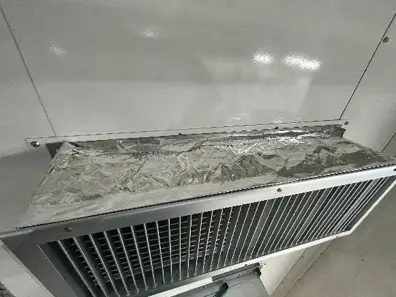
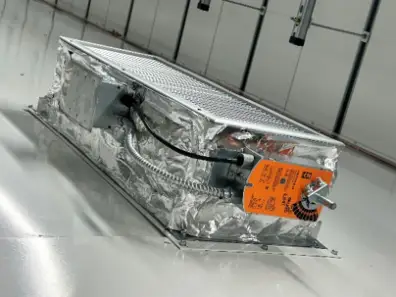
Specialized fire resistant insulation materials are installed around the outside sleeves of fire dampers to reduce heat transfer and help protect critical components from direct exposure.
This extra layer of protection helps make sure the damper can do what it’s supposed to do, when it’s supposed to do so.
Supporting Critical Fire Protection Systems
Fire dampers are a crucial part of a building’s overall fire protection strategy. They can seal openings and limit the movement of fire and smoke, which in turn limits damage and buys valuable time in an emergency situation.
GVMS 1, LLC specializes in the installation of HVAC fire damper insulation systems that focus on safety, performance, and longevity. These systems restrict the transfer of excessive heat to critical damper components, maintaining the integrity of fire-rated systems and adding to the resilience of the entire facility.